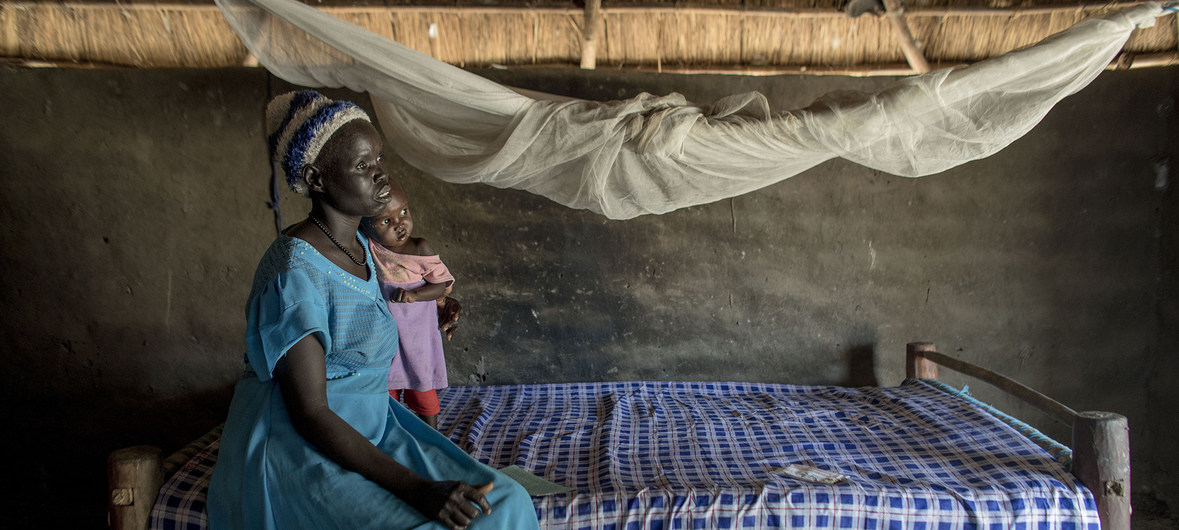
In Africa, pregnant women and young children are the most vulnerable to malaria.

However, malaria control interventions and strategies have achivied important results in the last years.

COVID-19 has now made these interventions critical, and could undo the results obtained so far, as highlighted by scientists in the Lancet: https://bit.ly/2Tfyxwn.

Potentially, COVID-19 could indirectly cause more deaths than it already does directly, in the context of Africa’s weak and fragile health systems.
Leave a Reply

Your email address will not be published. Required fields are marked *

Explore More

African-European Symposium: Challenges in Research Ethics Assessment, 13:00 – 18:00 CET, May 25th, 2021.

The symposium,  organised by The Embassy of Good Science, in collaboration with EUREC, BERC-Luso, AfriEthique, and LiberHetica, aims to facilitate the sharing of experiences and perspectives on research ethics assessment challenges between African and

INTEGRATION

“This project will improve malaria prevention strategies for both children, pregnant women and families as a whole as the study is being conducted in families which will raise awareness of

INTEGRATION+

INTEGRATION+ is an implementation research focused on malaria in pregnancy, with the potential to change national health prevention policies to protect an additional 13 million pregnant women each year from