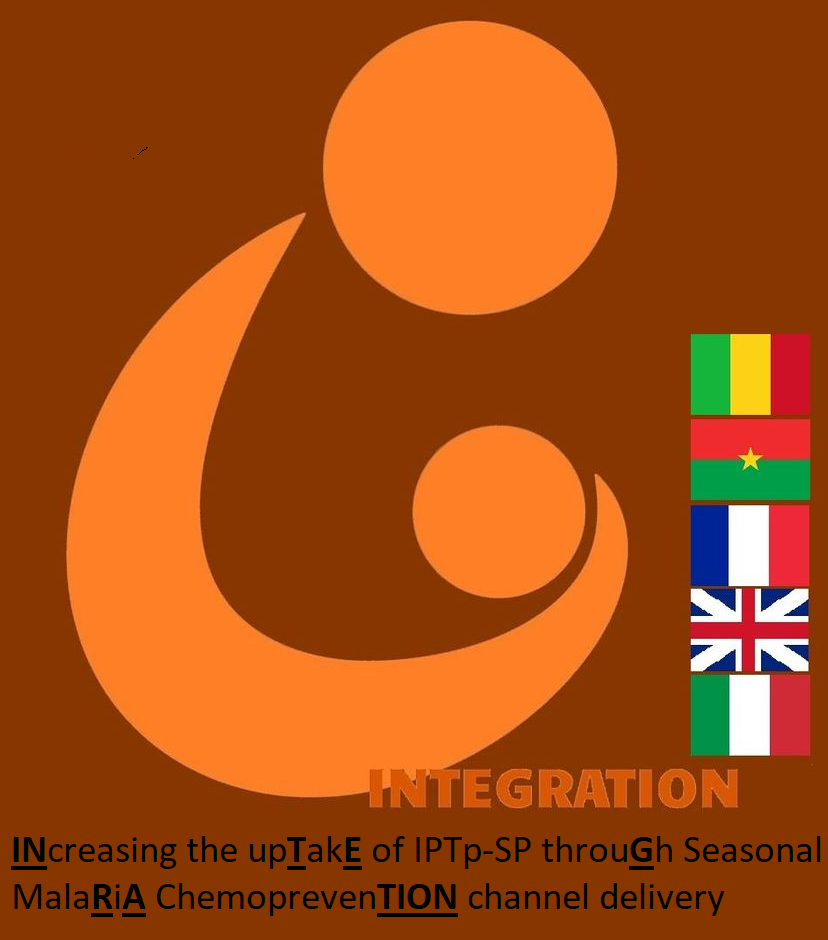
“This project will improve malaria prevention strategies for both children, pregnant women and families as a whole as the study is being conducted in families which will raise awareness of malaria prevention. Furthermore, the proposed strategy can reduce the high risk estimated by the WHO that deaths from malaria double as a result of the interruption of interventions due to the Covid-19 pandemic “, are the words of the evaluators appointed by the European Commission (EDCTP) to examine the INTEGRATION project proposal.
Trusting in a positive outcome, the consortium of African and European researchers who developed the project proposal (Mali, Burkina Faso, France, U.K. and Italy) is now committed to providing further information and clarification to the assessors, who will complete the evaluation in January 2021.
Leave a Reply

Your email address will not be published. Required fields are marked *

Explore More

Indirect effects of the COVID-19 pandemic on malaria in Africa

In Africa, pregnant women and young children are the most vulnerable to malaria. However, malaria control interventions and strategies have achivied important results in the last years. COVID-19 has now

The Congolese National Medicines Regulatory Authority (DPM) with WHO to guarantee the development and circulation of safe and effective drugs, by implementing the Global Benchmarking Tool (GBT)

As part of the strengthening of health systems and in particular the regulation of drugs and health products within the Africlinique project, the headquarters of the World Health Organization (WHO),

Ebola vaccines at a la glance

Ebola vaccine candidates are currently being evaluated in phase I–III clinical trials conducted in Africa, the EU and the US. Although preclinical development of candidate vaccines utilise different platforms, including