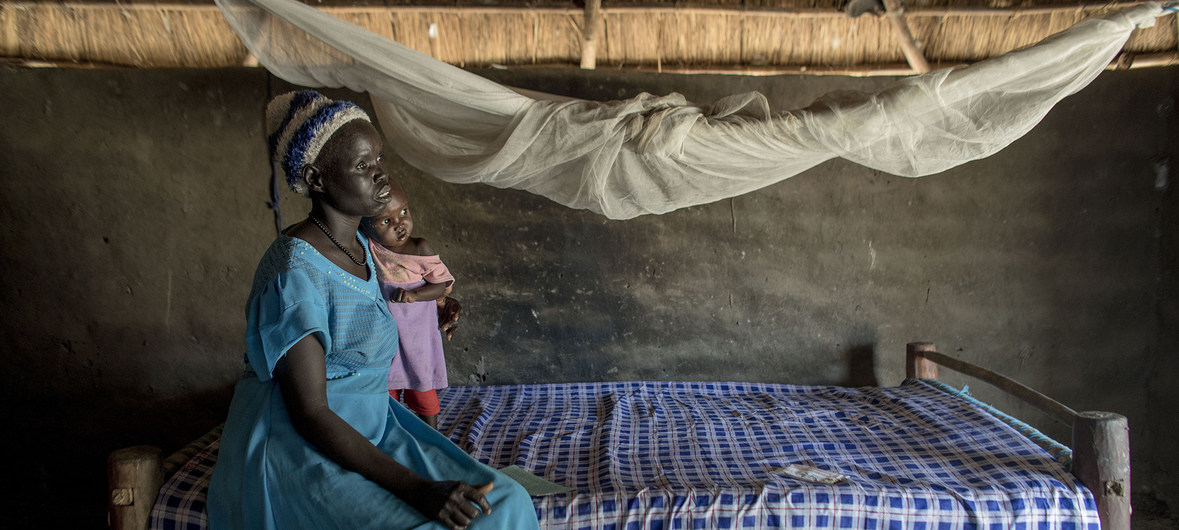
In Africa, pregnant women and young children are the most vulnerable to malaria.

However, malaria control interventions and strategies have achivied important results in the last years.

COVID-19 has now made these interventions critical, and could undo the results obtained so far, as highlighted by scientists in the Lancet: https://bit.ly/2Tfyxwn.

Potentially, COVID-19 could indirectly cause more deaths than it already does directly, in the context of Africa’s weak and fragile health systems.
Leave a Reply

Your email address will not be published. Required fields are marked *

Explore More

ImproViTB

With 1 million new cases and 200,000 children dead each year, Tuberculosis (TB) is now the leading cause of death from infectious diseases for children of all ages globally (UNICEF).

African-European Symposium: Challenges in Research Ethics Assessment, 13:00 – 18:00 CET, May 25th, 2021.

The symposium,  organised by The Embassy of Good Science, in collaboration with EUREC, BERC-Luso, AfriEthique, and LiberHetica, aims to facilitate the sharing of experiences and perspectives on research ethics assessment challenges between African and

Ebola outbreak in Republic Democratic of the Congo: switching from MEURI (Monitored Emergency Use of Unregistered and Investigational Interventions) to a RCT (Randomized Clinical Trial) for 4 experimental medications in the treatment of Ebola Virus Disease

An international research team has begun patient enrollment in a clinical trial testing multiple investigational Ebola therapies in the Democratic Republic of the Congo (DRC). The randomized, controlled trial is