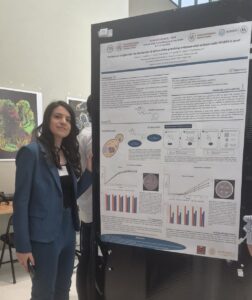
Last summer, Sara Greco, PhD student at the University of Salento, Italy, participated in the international Summer School “AMR Horizons 2026: From Molecules to One Health”, held in Paris, where she presented preliminary findings from her research carried out in collaboration with R-Evolution Worldwide.
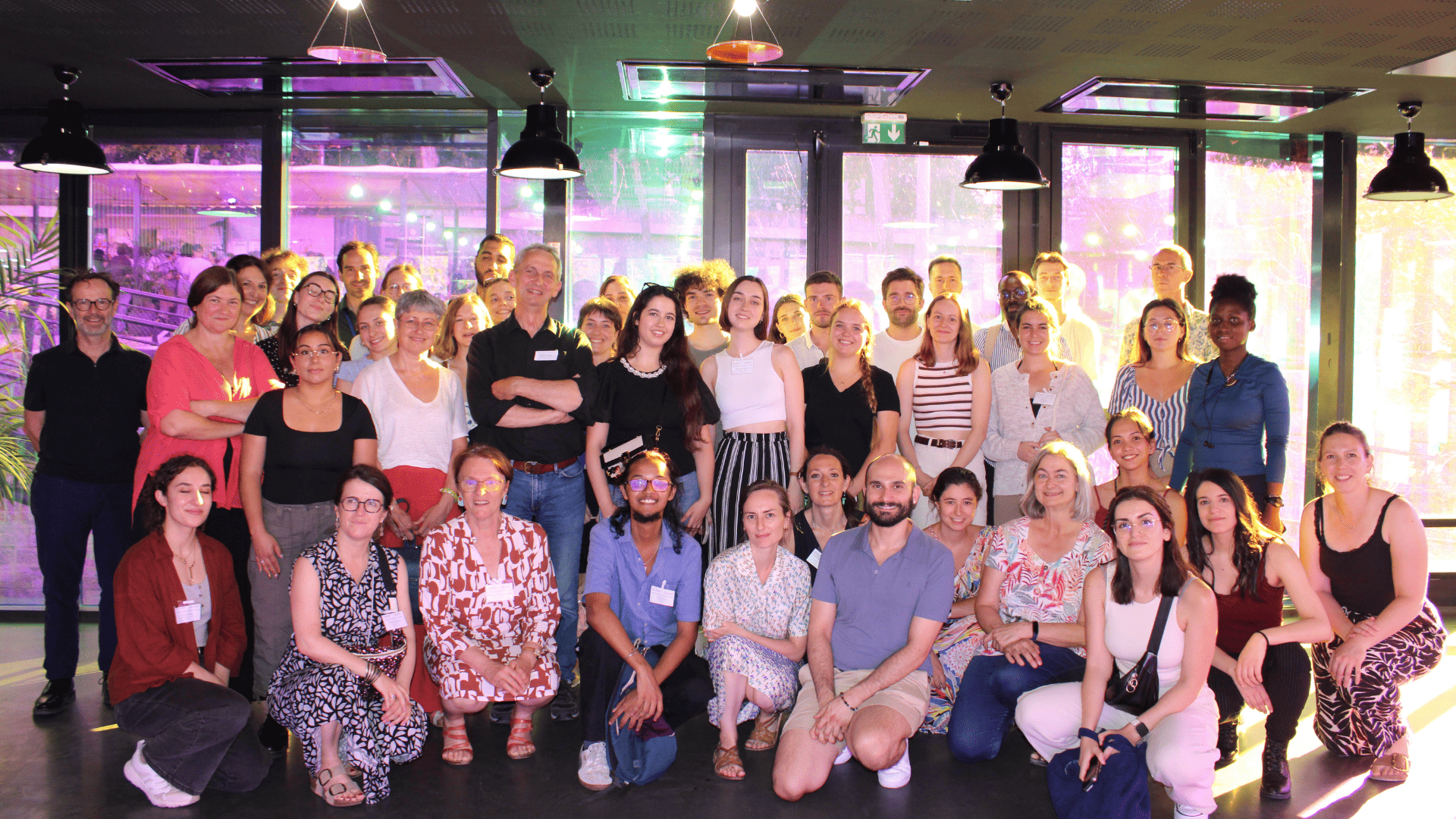
Organised by the Graduate Schools Antimicrobial Resistance and One Health – Emerging Infectious Diseases at Université Paris Cité, the three-day event brought together early-career researchers and experts from different disciplines to explore antimicrobial resistance (AMR), a major global health challenge. Through lectures, scientific discussions and networking activities, participants gained insights into multiple aspects of AMR from its molecular mechanisms to broader implications for public health and One Health.
Investigating New Strategies Against Drug-Resistant Malaria
During the scientific poster session, Sara presented the study “Preliminary insights into the mechanism of action of the promising antiplasmodial endoperoxide NF2694 in yeast”, contributing to a better understanding of the biological activity of novel compounds with potential applications in antimalarial drug development.
As resistance to existing antimalarial treatments continues to pose a major challenge, identifying new therapeutic strategies and understanding their mechanisms of action remain important research priorities.
The study investigated NF2694, a synthetic endoperoxide previously shown to exhibit potent activity against both chloroquine-sensitive and chloroquine-resistant strains of Plasmodium falciparum. Using Saccharomyces cerevisiae as a model organism, researchers explored how different metabolic conditions influence the compound’s activity.
Preliminary results revealed that NF2694 significantly inhibited yeast growth under respiratory conditions at the highest concentration tested, while no significant effect was observed under fermentative conditions. These findings suggest that cellular metabolic state may modulate the compound’s biological effects, providing a starting point for further investigations into the possible involvement of mitochondria in its antiplasmodial mechanism of action.
Strengthening Scientific Collaboration and International Exchange
Beyond presenting her research, the Summer School offered Sara an opportunity to exchange knowledge with an international scientific community, engage in interdisciplinary discussions on antimicrobial resistance, and connect laboratory research with broader perspectives on the challenges in infectious disease prevention and treatment.
Her participation highlights the value of our collaboration with research institutions in supporting scientific research, international knowledge exchange and the development of new approaches to address research on infectious diseases and innovative therapeutic strategies.
Further information: AMR Horizons 2026 – Université Paris Cité