On the last 30th and 31st of May, R-Evolution Worldwide lead the second Annual Meeting of NeuroSolve, our coordinated project aiming to address the burden of neurocysticercosis and improve the lives of those affected by it.
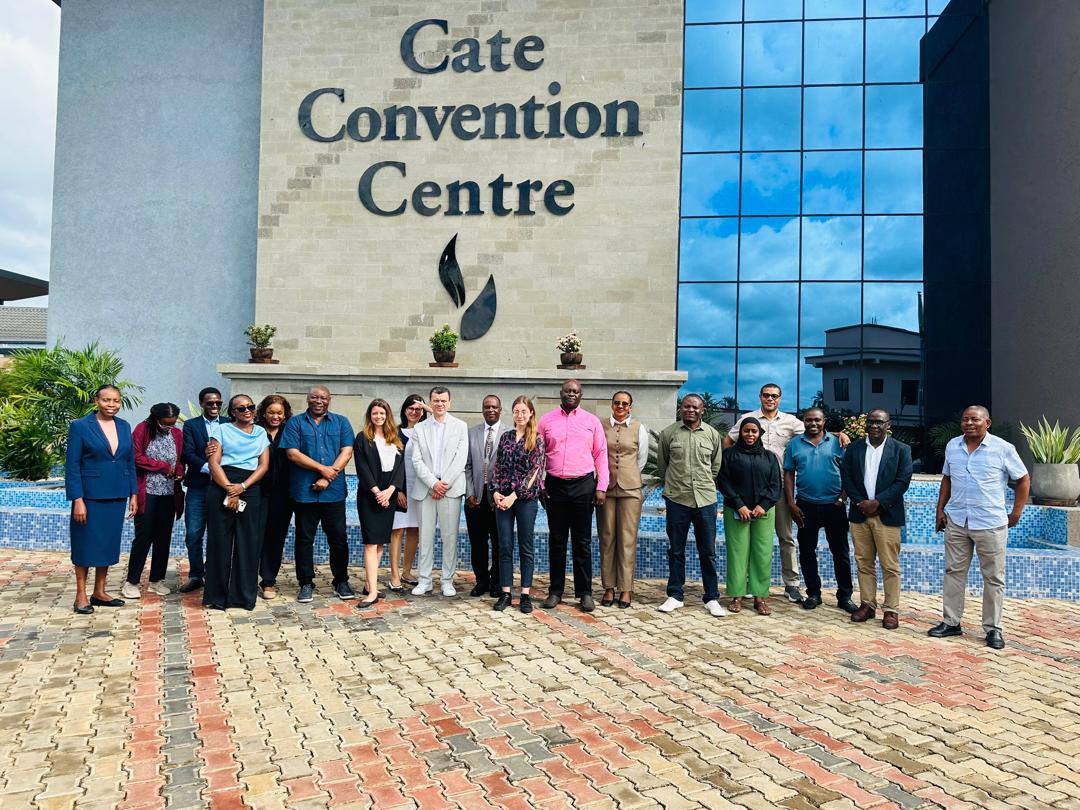
The summit was held in Morogoro (Tanzania): this added invaluable local context to our intercontinental project, allowing us to work side-by-side with regional partner institutions and witness firsthand the environments where our research translates into action.
Sessions dedicated to the active clinical trial and methodologies in implementation research were paired with meaningful progress reports from the project’s early-career scientists, whose growth remains a cornerstone of the NeuroSolve initiative.
Once again, bringing together Principal Investigators, academic supervisors, researchers and dedicated PhD candidates from all consortium partners, it was an opportunity to strengthen the human dimension of cooperation, within a context of shared values, visions, and objectives.
The rewarding exchange of ideas and the collaborative spirit displayed by all participants over these two days have been truly enriching.
As coordinator, R-Evolution Worldwide looks forward to the next steps with absolute confidence.
The team left Morogoro with a reinforced, clear strategy to advance sustainable, impactful solutions and to pursue the project’s ultimate objective: implementing research results into real-world clinical practice to improve the health and quality of life of those affected by this neglected tropical disease — as well as their caregivers.