Tanzania, Morogoro Region – Ifakara
On the occasion of the NeuroSolve 2026 Annual Meeting, we had the privilege of visiting the local facilities where critical research and diagnostic work are being conducted, including the Accredited Molecular and Genomics Laboratory at the Ifakara Health Institute (IHI).
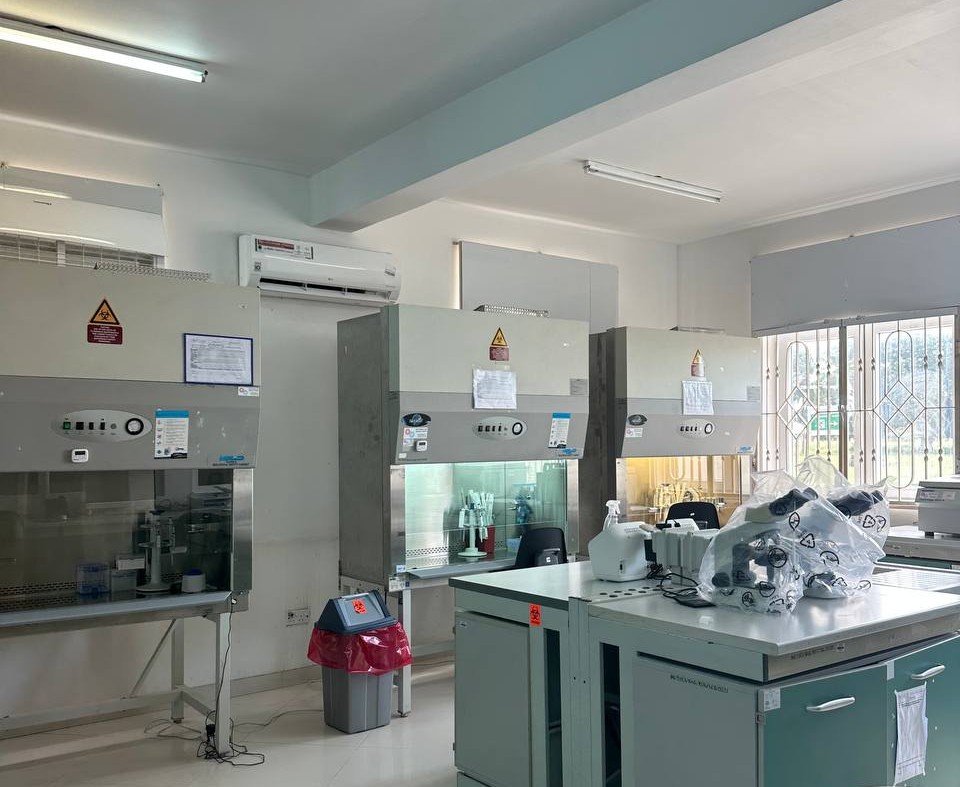
As a core actor in the NeuroSolve consortium, IHI plays a vital role in advancing research on neurocysticercosis and associated epilepsy across Sub-Saharan Africa. Operating at Biosafety Level 2 (BSL-2) standards and licensed by the Government Chemist Laboratory Authority (GCLA) for human DNA analysis, the institute stands out as a cutting-edge center for conducting Phase 1 clinical trials and clinical field evaluations. Its laboratories are fully equipped to perform advanced molecular biology experiments across various fields, with a strong emphasis on vector-borne and parasitic diseases, pathogen detection, and antimicrobial resistance monitoring (including TB, HIV, and Malaria).
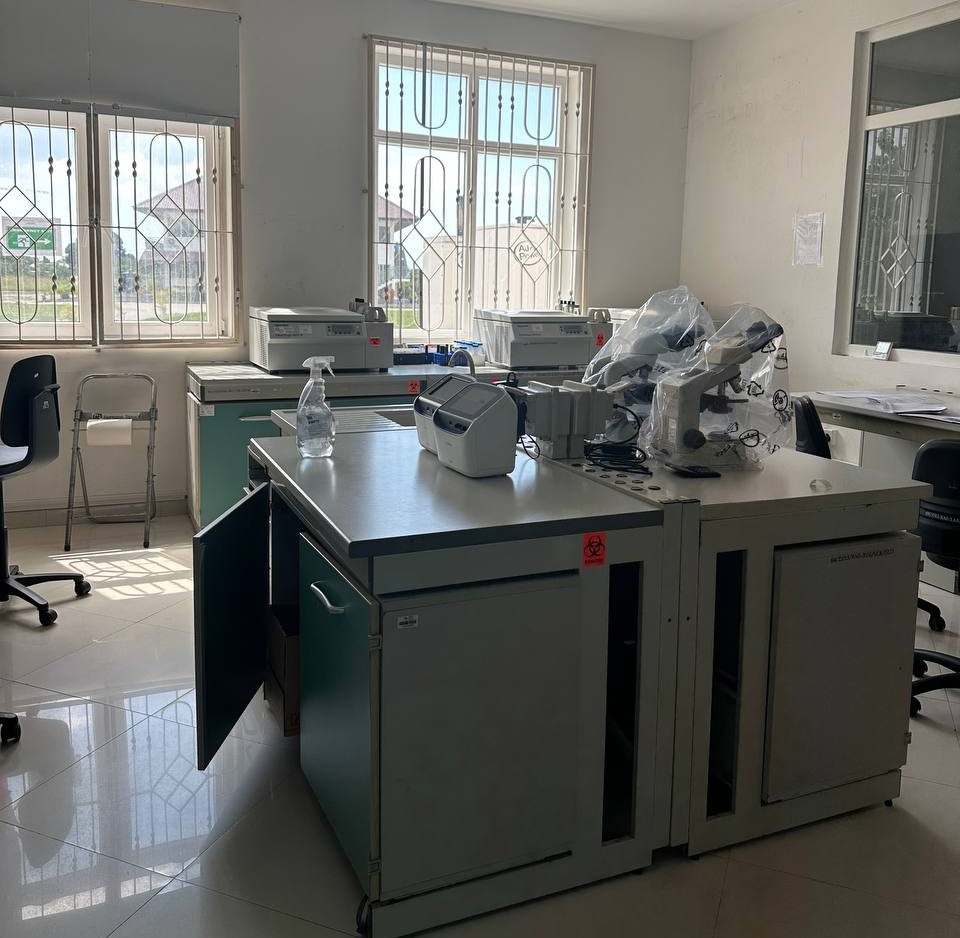
We explored the laboratory’s versatile and advanced technical ecosystem. Alongside state-of-the-art genomic sequencing platforms such as Illumina MiSeq and Oxford Nanopore, the facility is equipped for high-precision immunological assays and serological testing, utilizing specialized diagnostic tools like apDia (Advanced Practical Diagnostics). Within NeuroSolve, these advanced platforms enable precise diagnostic profiling, genomic surveillance, and antibody/biomarker testing essential for tracking infection patterns and evaluating treatment outcomes.
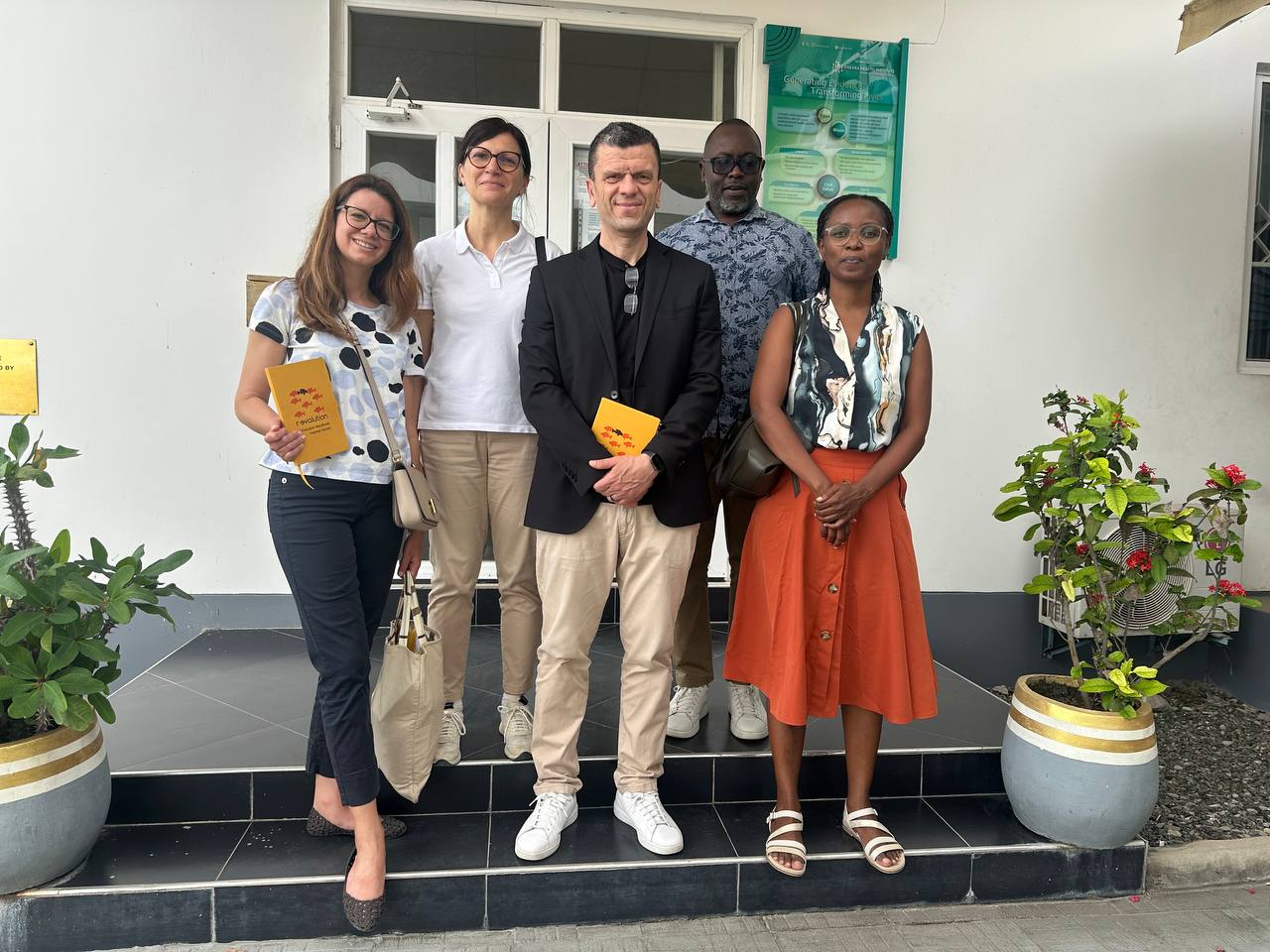
Visiting the Ifakara Health Institute’s facility highlights the powerful intersection of cutting-edge science, Phase 1 clinical research capacity, and local impact. Seeing how advanced molecular biology, diagnostic platforms, and clinical trial management are seamlessly integrated on the ground reinforces our conviction that strong, equitable partnerships with world-class research institutes like IHI are essential for driving long-term healthcare solutions.
To learn more about the outcomes of the NEUROSOLVE 2026 Annual Meeting in Morogoro, read the full meeting recap here.
